Tagged fitness

Recover Faster with Proper Nutrition
Recently I had the opportunity to write an article for Alive Magazine. On one of my favorite topics – post-workout fuel! Often forgotten after a crazy workout refueling with the right nutrients at the right time is just as important as the workout itself! Here’s the full article, as originally posted on Alive.com (and published in the July 2014 issue):
Choosing the right nutrient dense foods post workout can help all athletes (whatever their sport) improve their performance by helping accelerate recovery. Those who are able to recover faster can train again sooner. And those who are able to train more frequently have more opportunity to improve their performance.
Mechanics of muscle glycogen replenishment
Efficient recovery following high levels of exercise intensity requires refuelling post workout. During your workout your main source of energy comes from carbohydrates—either as stored glycogen or consumed glucose.
Without adequate intake of necessary carbohydrates between bouts of exercise, your body will draw on stored fuel to keep you going, converting glycogen (stored sugar in the muscles and liver) to glucose. It’s important to replenish glycogen stores post workout so you’re ready for your next round of activity.
Speed up muscle glycogen replenishment
Research has shown that consuming a three-to-one or four-to-one ratio of carbohydrates-to-protein immediately after exercise is the most effective combination of macronutrients to support glycogen replenishment. This combination is most effective when consumed within 30 minutes after your workout.
You’ll want to choose simple, easy to digest carbohydrates for most efficient absorption. Fruit such as grapefruit, bananas, dates, or melons are ideal. Add some easy to digest protein to help with the uptake of glucose into your muscle cells—and start the process of muscle tissue repair and protein synthesis.
A higher protein meal can be consumed later, about 45 to 90 minutes post workout.
Foods for optimum recovery
Consuming the right foods at the right time is key to promoting greater recovery following exercise. It doesn’t need to be complicated, though. Here are a few ideas you can try.
Fresh juice
Planning to stop by the juice bar after your workout? Enjoy a fresh-pressed juice with a handful of nuts (such as walnuts, almonds, or selenium-rich Brazil nuts) for a perfect post-workout option.
Smoothie
Not into juice? Have a smoothie. Try combining 1 Tbsp (15 mL) almond butter with 1 cup (250 mL) frozen fruit, such as pineapple and strawberries; 1 cup (250 mL) almond milk; and ice. Add 1 cup (250 mL) spinach or kale for an added nutrient boost.
Pineapple makes a good addition because it’s a source of enzymes, specifically bromelain, which aids in the breakdown of protein, further supporting efficient glycogen replenishment.
Want something even easier?
Try a small banana with a handful of nuts.
Ready, Set, Spin!
Cycling can be an easy and fun way to help you reach your fitness goals. Before you hop on your bike, get up to speed on the cycling world:
What to Expect?
You can see improvements in your cardiovascular and leg strength with consistent training because cycling works your quads, hamstrings, calves, core and can get your heart rate pumping.
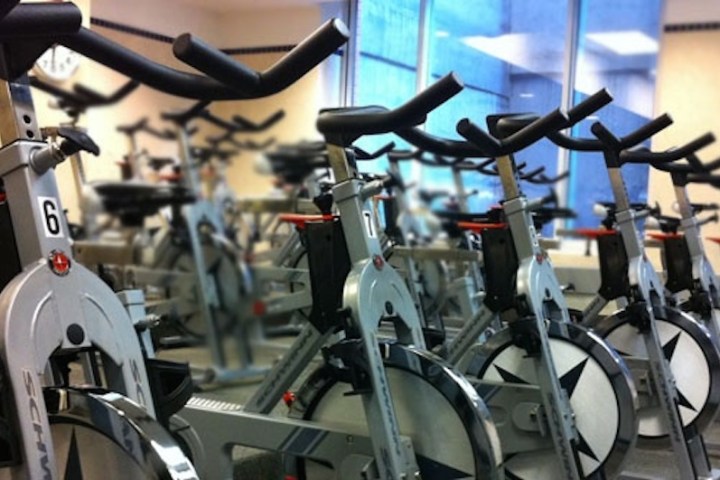
Indoor Cycling: The heart pumping music, theme nights (throwback 90’s music anyone?) and community atmosphere make indoor cycling class a little bit different from a conventional stationary bike. You’ll be motivated to do your best while still being able to go at your own pace.
Outdoor Cycling: When it comes to outdoor cycling there are many options. It all depends on what you are looking for. I asked outdoor cycle enthusiast and Vega PR Specialist, Jaclyn Cummings (who just finished her first Ride to Conquer Cancer) for her top tips. She recommends a mobile app like Strava to track rides and build your route. Once you have your route, share it with your cycling group because, as Jaclyn says, “cycling is better with friends!”
Set Up Before You Saddle Up:
Whether you’re indoors or outdoors, the foundation of any ride is proper bike set up. The three key areas are your seat height, seat distance (from the handlebars) and handlebar height. Jaclyn recommends taking a Cycling 101 course with your LBS (local bike shop) to get you set up with the mechanics of the bike and make sure you have the right tools to fix any mechanical issues that are bound to happen on your ride.For indoor rides make sure your instructor knows you’re new; they will help you find the right fit.
Talk the Talk:
Before you hit the pavement, hit the books, with a quick lesson in cycle speak.
Saddle: Your seat. Changing your seat can make a world of difference. Ask a professional for the best option for your outdoor bike. Indoor riders, when out of the saddle you’ll want keep your hips directly over the seat.
Resistance: How hard you need to push down and pull up to move the pedals. This can be adjusted using gears on your outdoor bike or tension knob on your indoor bike.
Cadence: Your peddle rate or how many RPM (revolutions per minute). The higher the resistance, the harder your muscles will work to keep the same cadence.
On your left/ right: A safety phrase to alert another bikers that you’re passing.
Drafting: Riders rotating from the front of the group to the back in order to take a short rest to avoid the “aerodynamic drag.”
Positions: Indoor cycling uses three main positions to simulate an outdoor ride; seated, standing and jumps. Your hands can be in first (at the base of the handlebar), second (at the base; on the outside of the handlebar) or third (at the top of the handlebar; used when standing).There are variations of each of those positions:
- Flat: Riding at a steady pace.
- Climb: Increase in the tension.
- Sprint: Increase in the speed.
- Jumps: From seated to standing and back again. Jumps are one of my favorite moves – just make sure you are lifting with your core engaged and using your legs, rather than pulling with your arms.
Fuel Your Ride:
Proper nutrition can be difference maker in kicking your performance into high gear. The key for me is to stay hydrated before, during and after class. I always bring water and sip throughout my ride. However, sometimes water alone isn’t enough so to replenish the essential electrolytes my body needs to stay hydrated I use Vega Sport Electrolyte Hydrator. One of my favorite ways to stay hydrated post-workout is with this Cucumber Melon Hydrating Cocktail.
What to Wear?
Pump the breaks on the padded shorts and cycling shoes until you know cycling is for you.
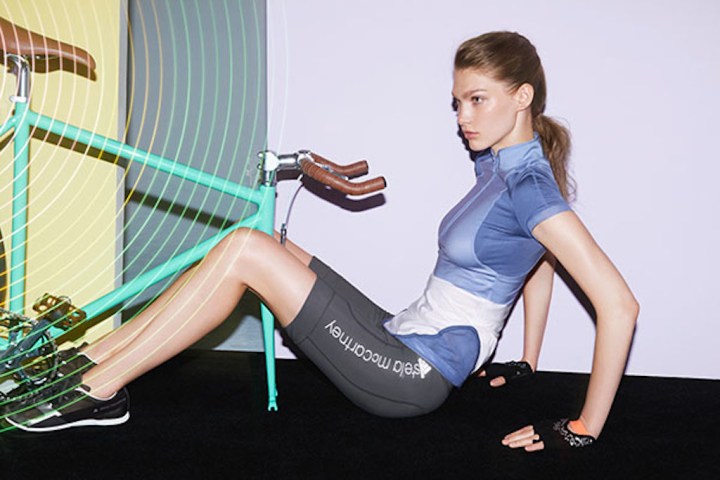
Clothes: You are going to sweat—a lot—so you’ll want to consider moisture wicking clothes. You’ll want to opt for fitted clothes to avoid interfering with the bike mechanics. Shorts are great but I’d save the short shorts for the beach. Opt for longer, fitted shorts or capris for the most comfort.
Shoes: Regular, hard soled, athletic shoes are just fine when you’re starting out.
Kick your ride up a notch: Look for performance gear such as cycling shoes, padded shorts, jerseys and kits. Whether on the road or in the class, pack light but don’t forget your towel and water bottle.
Do you love indoor or outdoor cycling and have some advice for newbies?
As originally posted on MyVega.com
Post Workout Recovery
Recovery is important for performance. Recovery includes stretching. If you love spin like me then these stretches are for you!
Spin Class: Know Before You Go
My fave way to stay fit is with spin class (I love it so much I even teach it)!
If you are a spin class newbie or just need a refresher read this and if you’re in Vancouver, BC check out a class with me!

Reduce Stress. Improve Mood
Whether you’re a fitness newbie or endurance competitor, moving can be an effective way to reduce stress. Discover the connection between movement and stress-release and how you can reap the most stress-releasing benefits.
Improved Mood
The easiest way reap the stress-releasing benefits is to make movement a part of your healthy lifestyle every day. Any type of exercise, from a brisk walk around the neighborhood to yoga to marathons, can help with stress-release. That’s because being active can boost the production of your brain’s feel-good chemicals, also known as endorphins. You may have heard the term “runner’s high,” but this feeling isn’t just for runners. Most any type of movement can contribute to the same positive and energizing feeling.
It’s recommended to get moving for at least two and a half hours each week at a moderate to vigorous level. For even more benefits aim for five hours each week and combine both strength and cardio training. The good news is that you don’t have to do it all at once! You can break it up into 10 minute intervals throughout the day.
More energy
Getting moving any time of day can give you more energy, but I recommend starting your day with a morning full of movement. This will give you an opportunity to do something for yourself and help you will feel like you have the energy to tackle whatever the day has in store.
No time to get to the gym in the morning? Try an at-home workout that doesn’t require weights. Hold a plank longer than you ever have before. Or zen out with a quick yoga practice. If you get tired sitting at your desk job all day, take a break with office yoga.
Improved sleep
Movement can help improve your sleep, which is often disrupted if you are feeling stressed. To get a the most sleep-promoting benefits, try to moving outdoors where you can enjoy fresh air, natural light and take in the calm of nature around you. Being exposed to natural light during the day can improve sleep by reinforcing your body’s sleep-wake cycle as well.
What is my favorite stress-releasing movement you ask? Cooking! I like to try new recipe variations, like this pizza and move around the kitchen. Everything from grocery shopping to washing the dishes adds movement to my day. Bonus: I get to relax and enjoy the beautiful meal I created afterwards. Talk about stress-releasing!
How has exercise improved your life? Let me know in the comments below.
As originally posted on MyVega.com
Image cred here
 Mainly Bridgette
